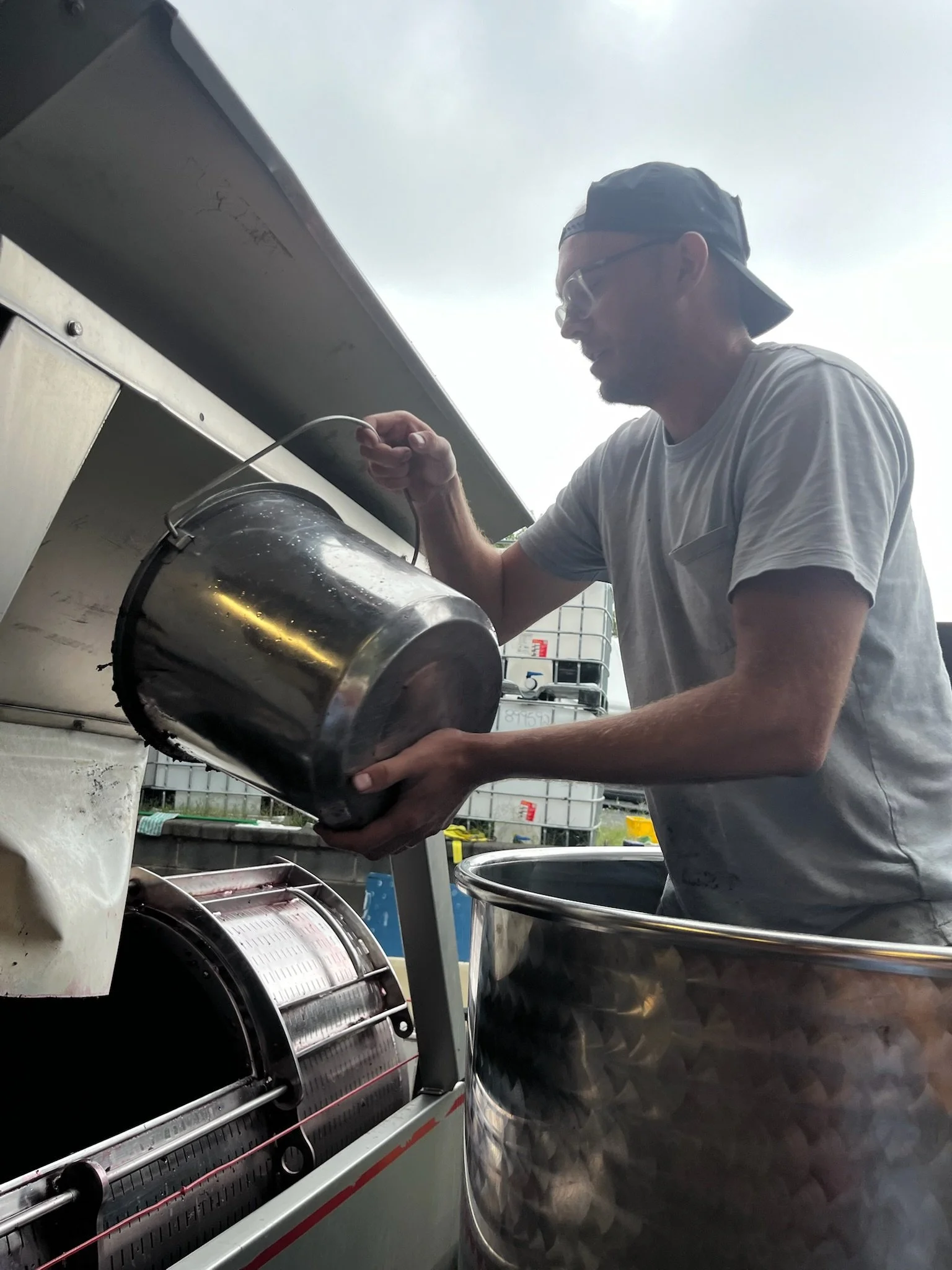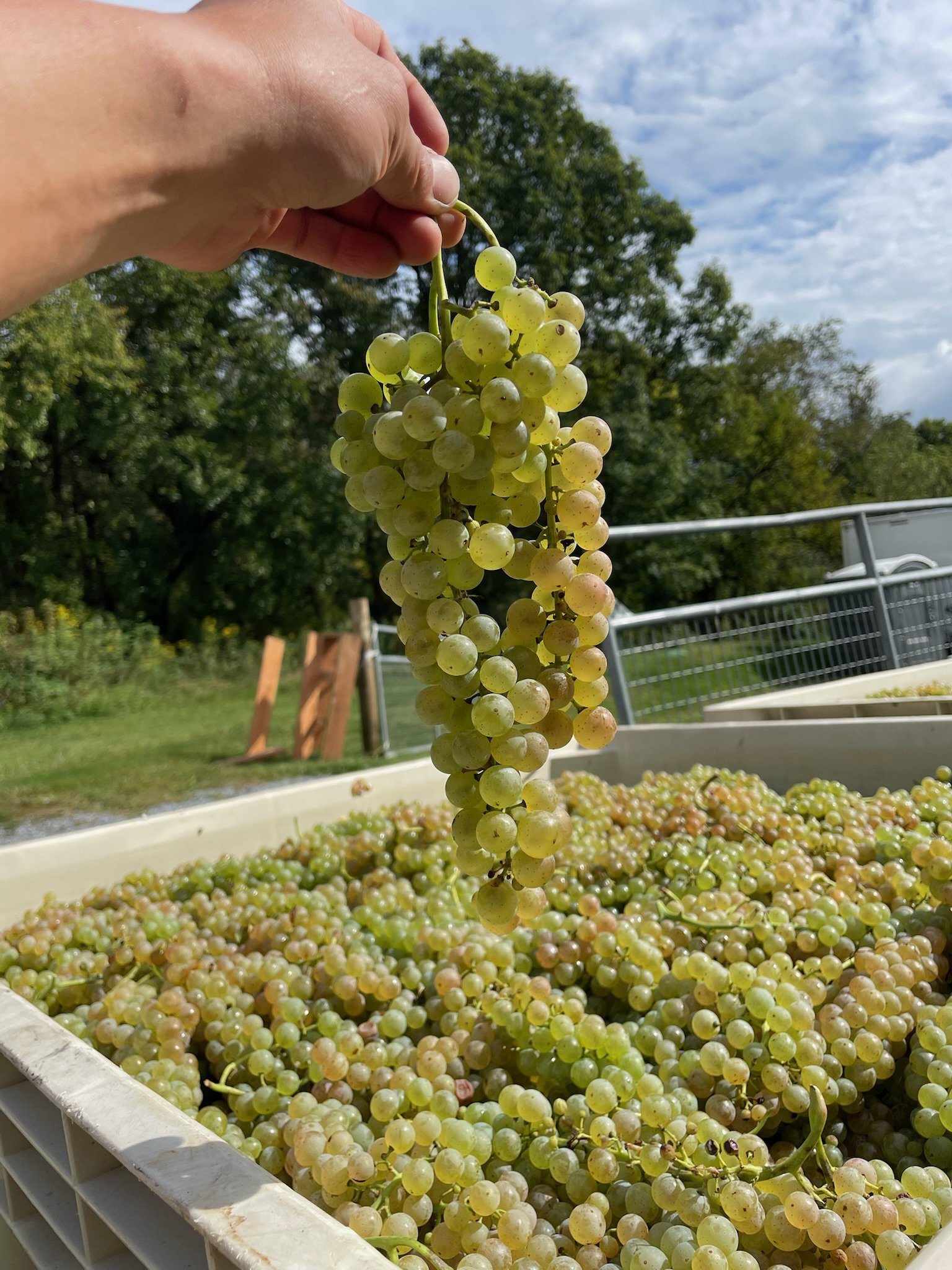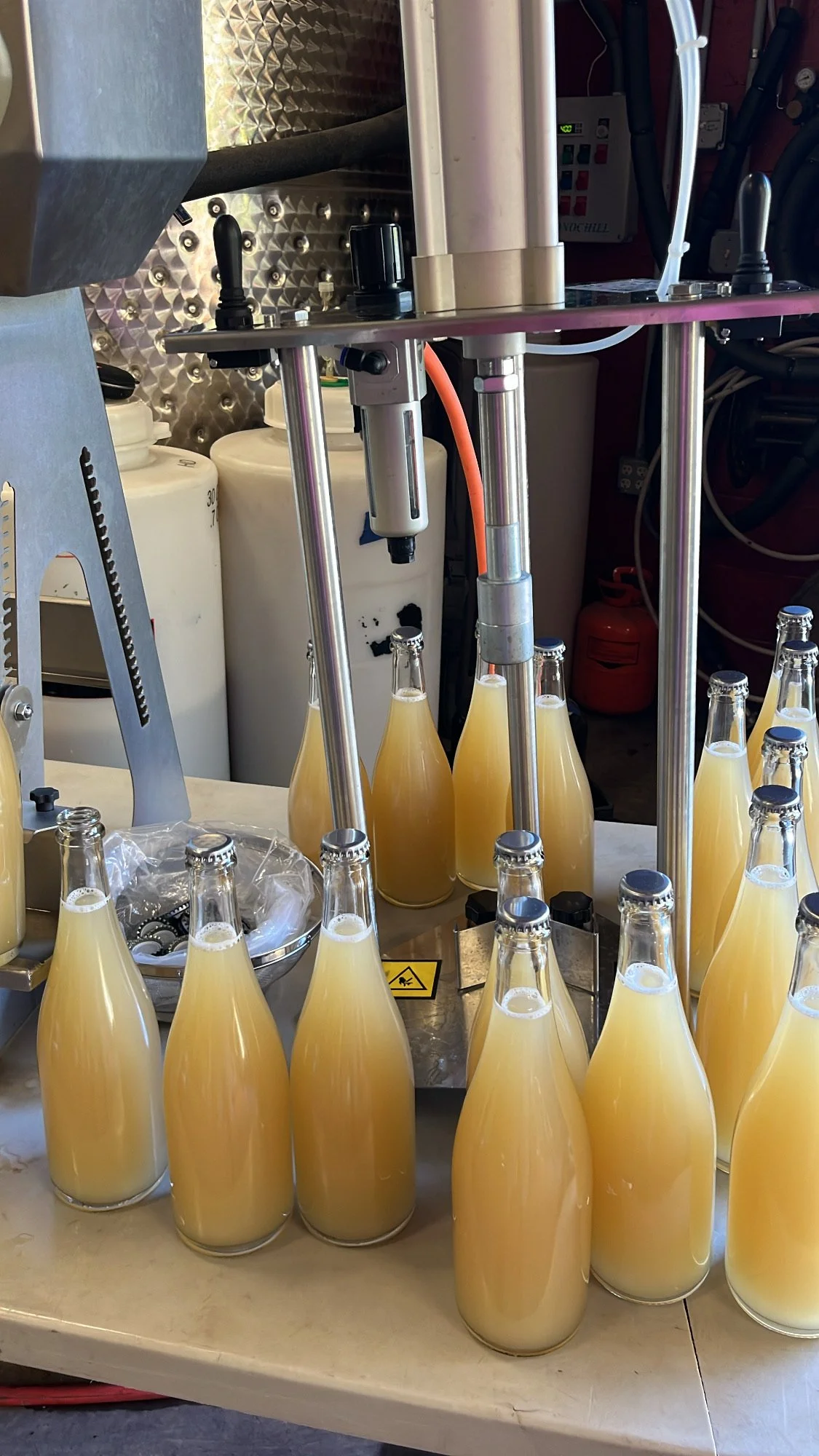
The Winery
The Vineyard
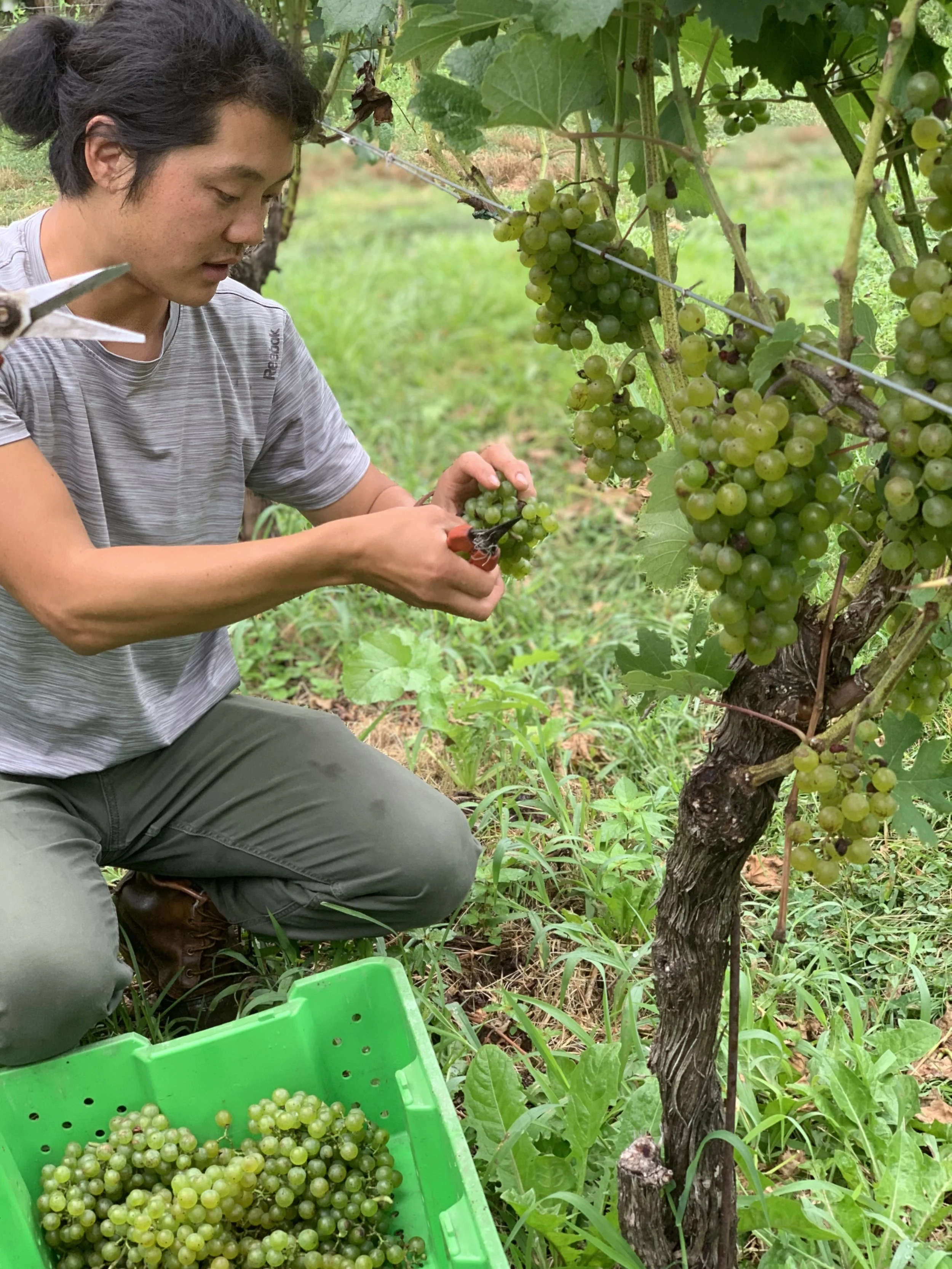
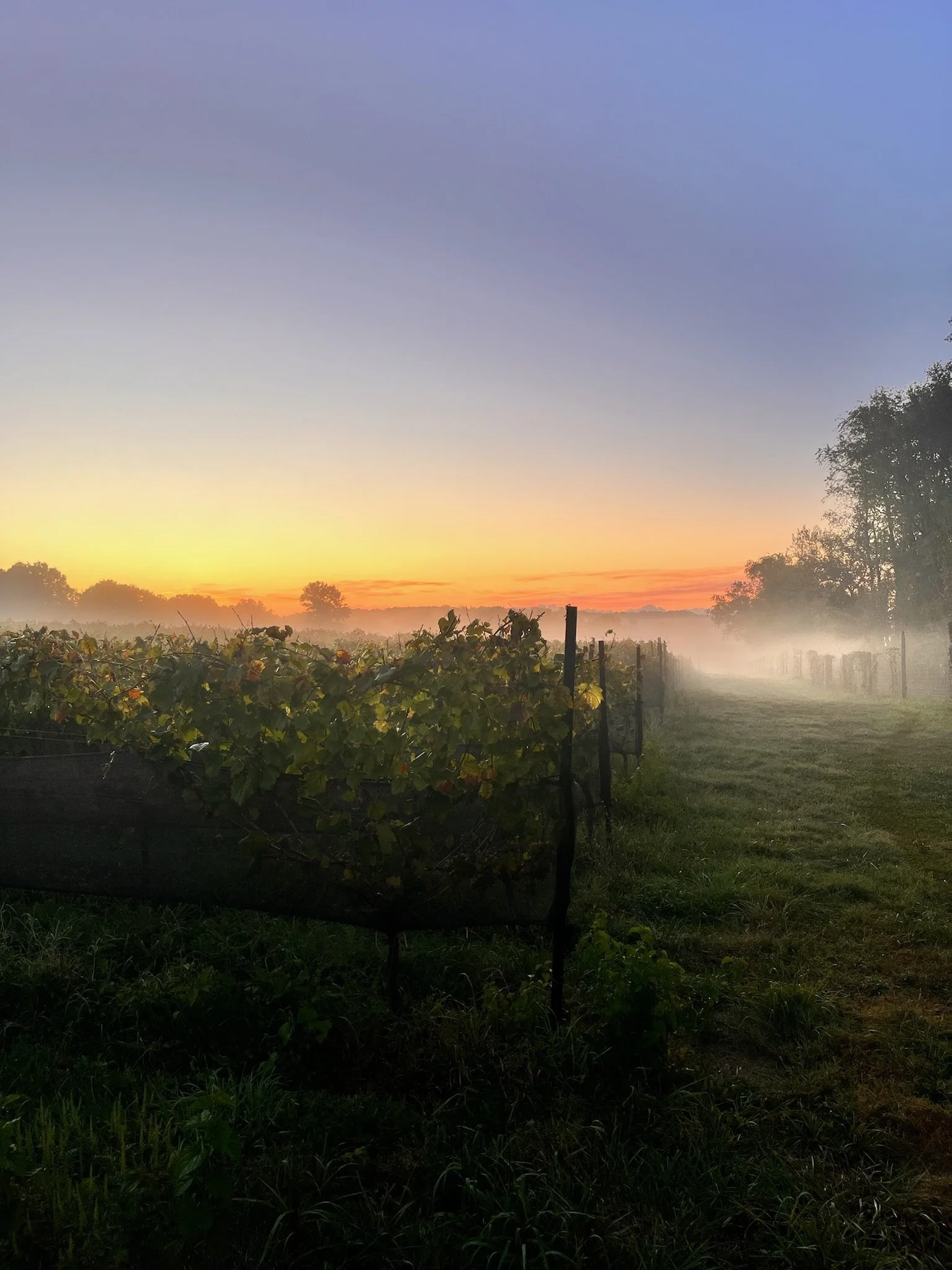
Nestled on a clay and sandstone slope pointing towards the Potomac River, the original Rocklands vineyard plot was planted in 2014 (when we really started to get serious about making wine). Since then, we've seen each growing season present different challenges, curiosities, and benefits. From the dreary 2018 downpours to a major spring frost events in 2020 and 2026 to a near perfect "stars-aligning" 2025 vintage, the unpredictably of each year is simply something we learn to live with here in the mid-Atlantic.
While admittedly stressful to manage, these annual variations can also be exciting and opportunistic for the ever-inventive winemaker. Unlike most beverages, fermented grape juice has the unique potential to express its origins when cared for properly. It can be a polarizing and debatable topic, but our low-intervention philosophy exists largely for this very reason: to showcase time and place through a glass of wine. No, we're not trying to craft a wine that tastes like Napa or Bordeaux, but one that uniquely expresses the variable weather conditions and diverse soils of our region.
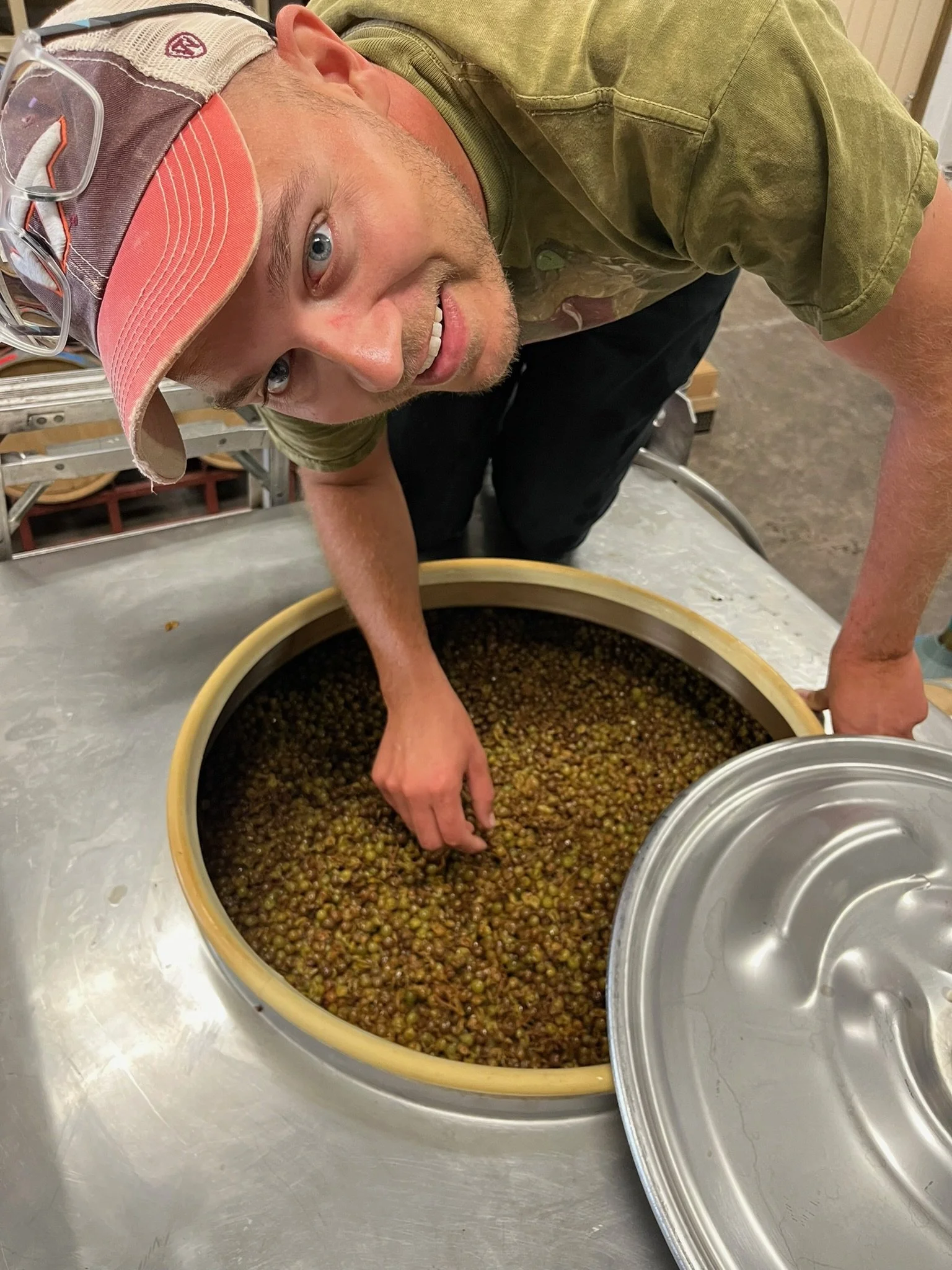
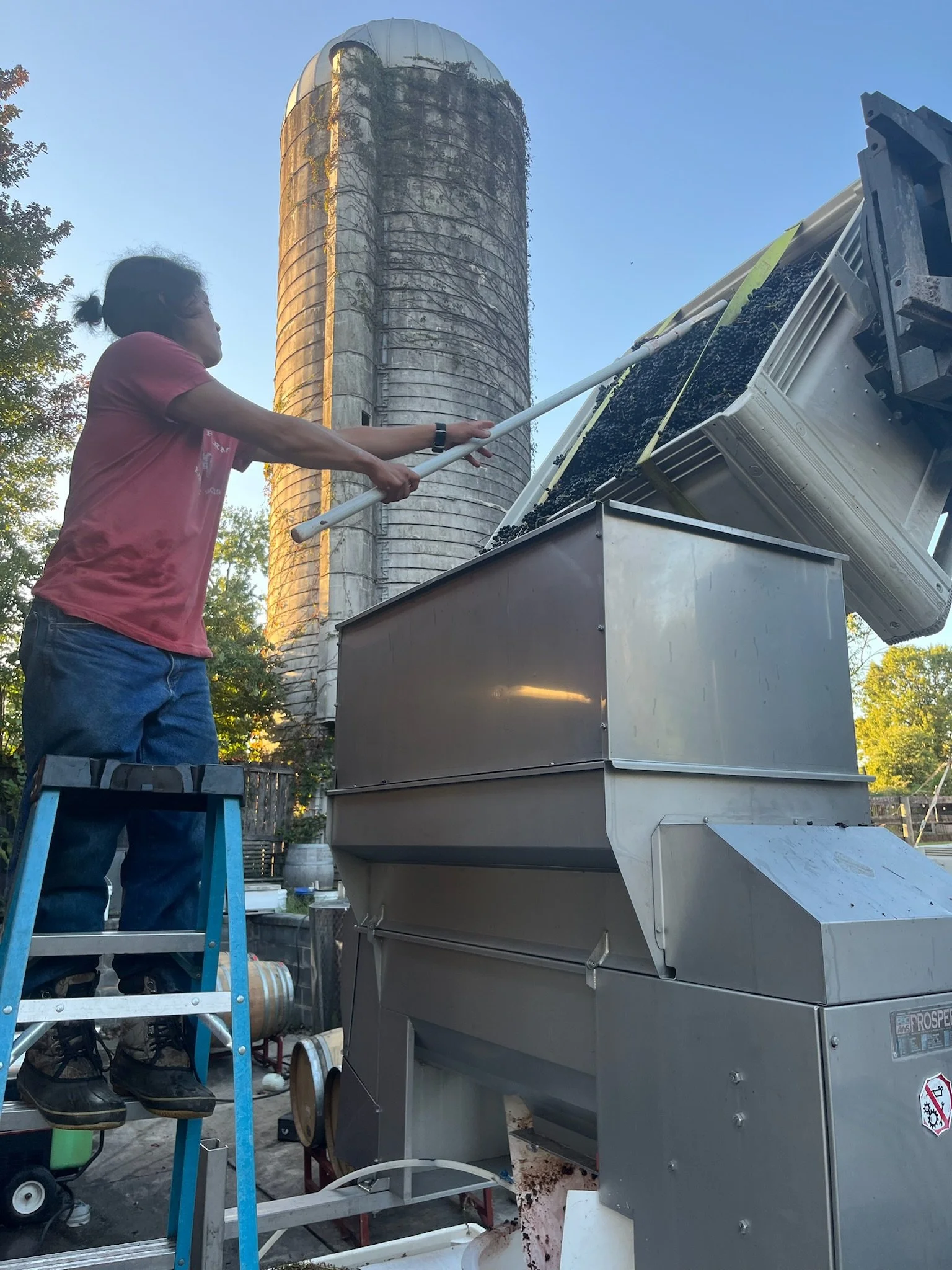
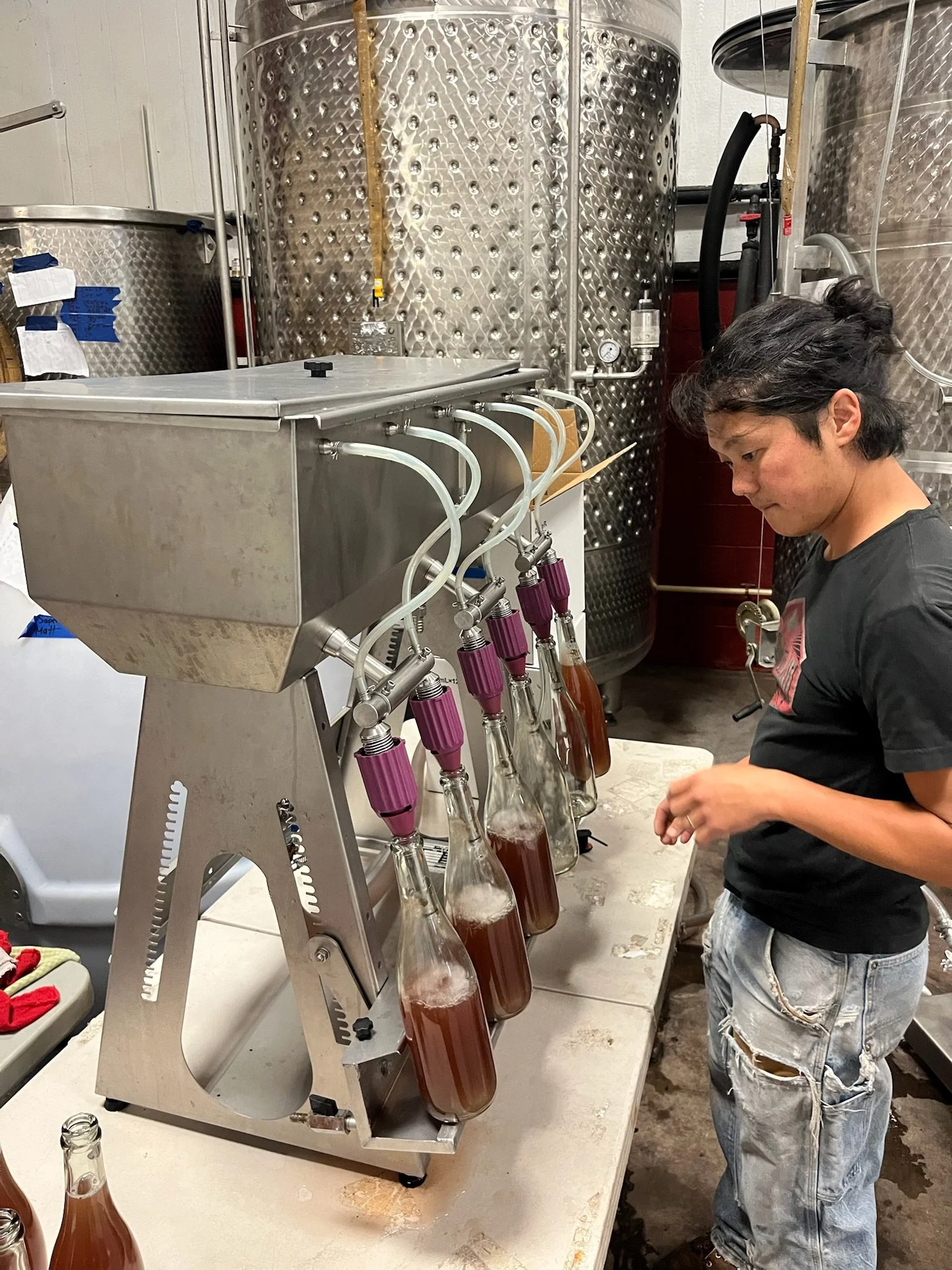
We believe that good wine begins in the vineyard. After that, here’s some ways we let the grapes do their thing in the cellar:
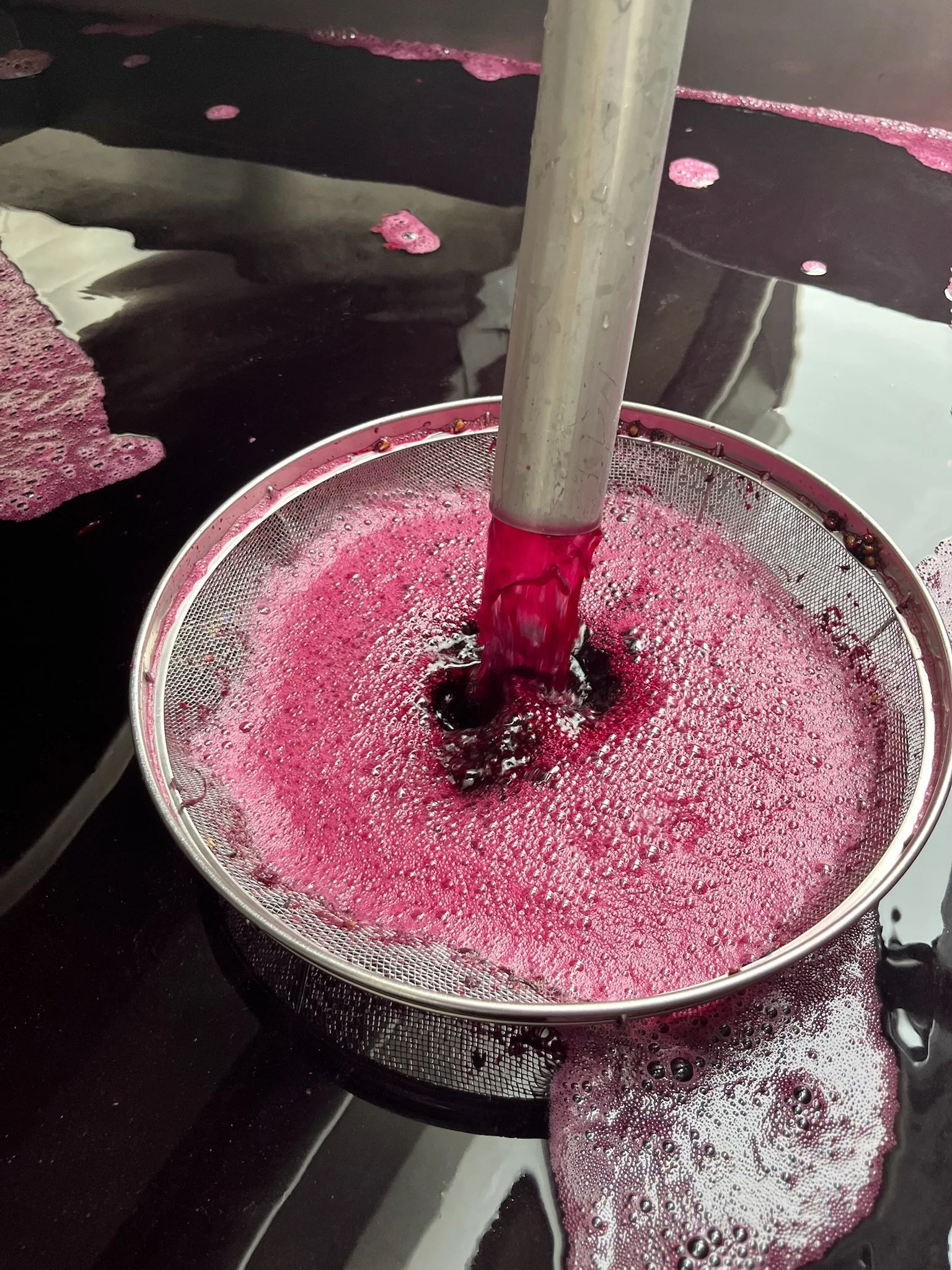
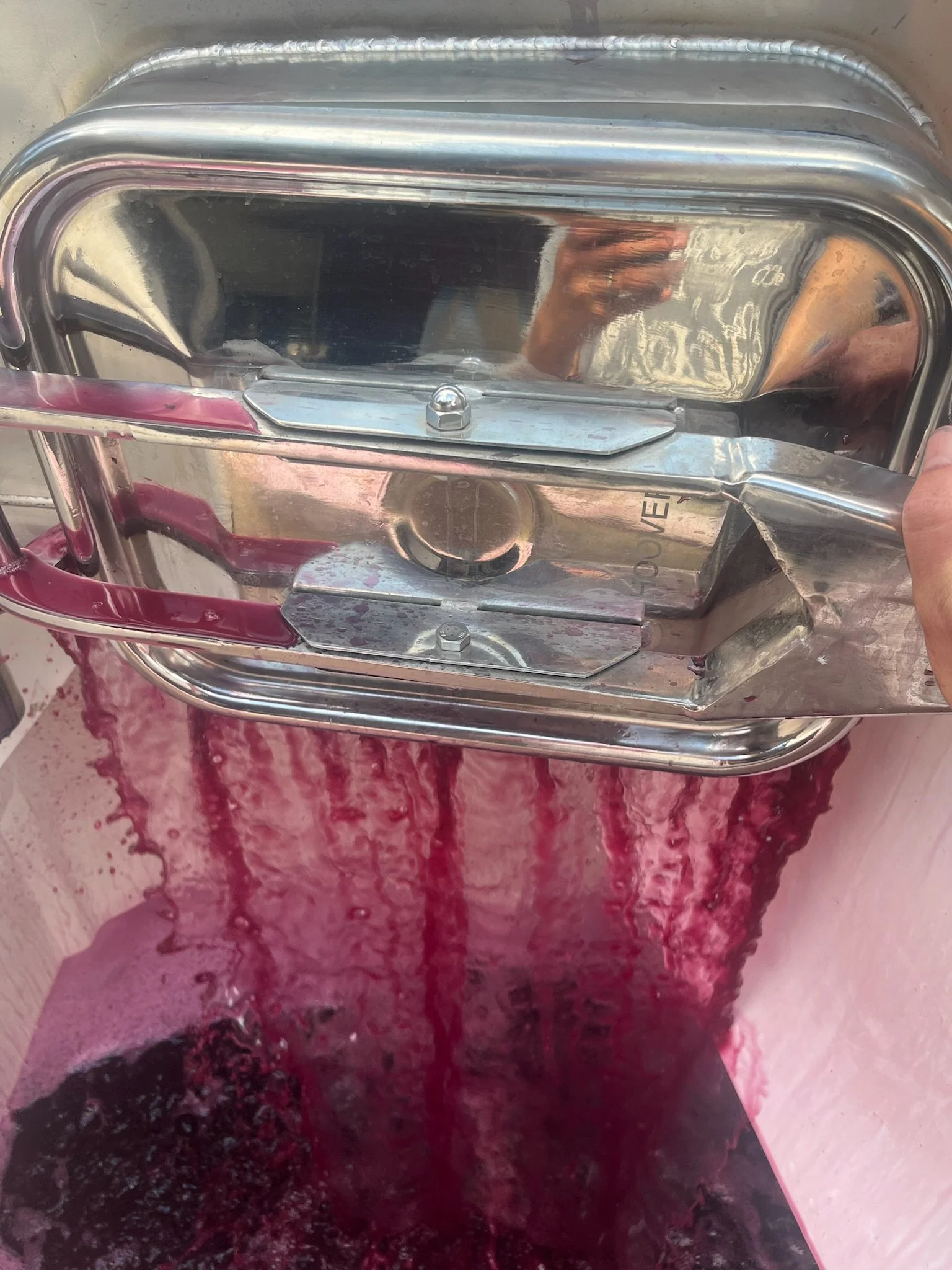
1. Fermenting the wines with yeasts naturally present on the grapes and in the air in our cellar in lieu of commercial lab yeast inoculations.
2. Avoiding enological addition adjustments for the aesthetics or appearance of the wine. We forego using non-grape additions to make a wine darker or taste more full bodied, for example.
3. Minimizing or eliminating additions of preservatives in wine. Sulfur dioxide is the most common addition, naturally present in wine, and also a very handy tool in the winery. If we use SO2, we do so in small amounts well below even biodynamic standards. We do not consider any other additions in our wines.
“Low Intervention” Wine in the cellar
Healthy Soil
"Overall, our goal is for our vines and soils to be healthy with a strong immune system necessary to thrive with minimal spray intervention in the hot and humid Maryland summers."
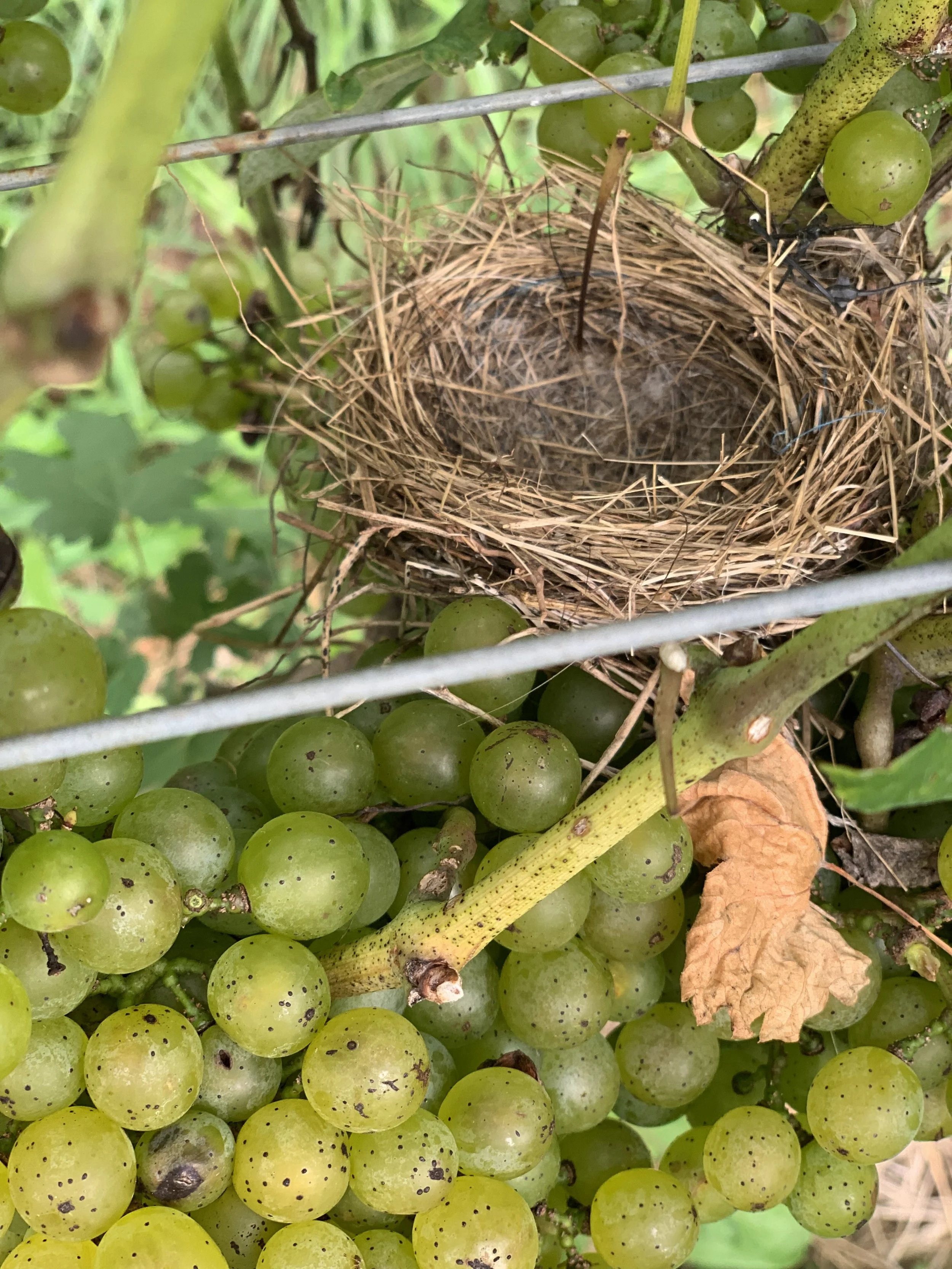
We love seeing a diversity of life in our vineyards and nurturing habitat for birds to eat unwanted insects. We graze our flock of about 200 sheep and herd of 50 cattle through the vines periodically as fertilizers and mowers and revel in the ways our various farm enterprises intertwine symbiotically.
Handcrafted
"Wine enters through the mouth, Love, the eyes. I raise the glass to my mouth, I look at you, I sigh." — W.B. Yeats
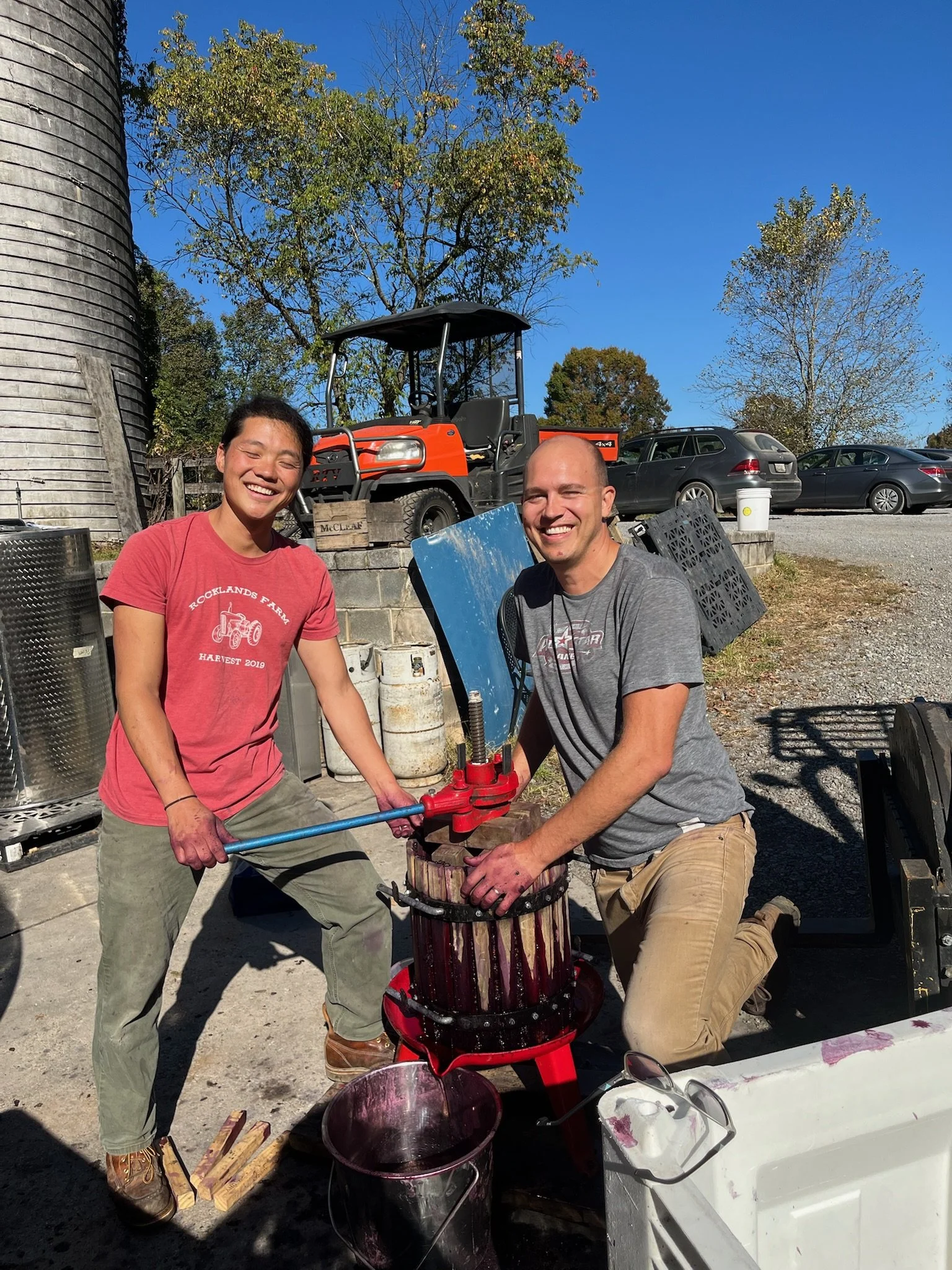
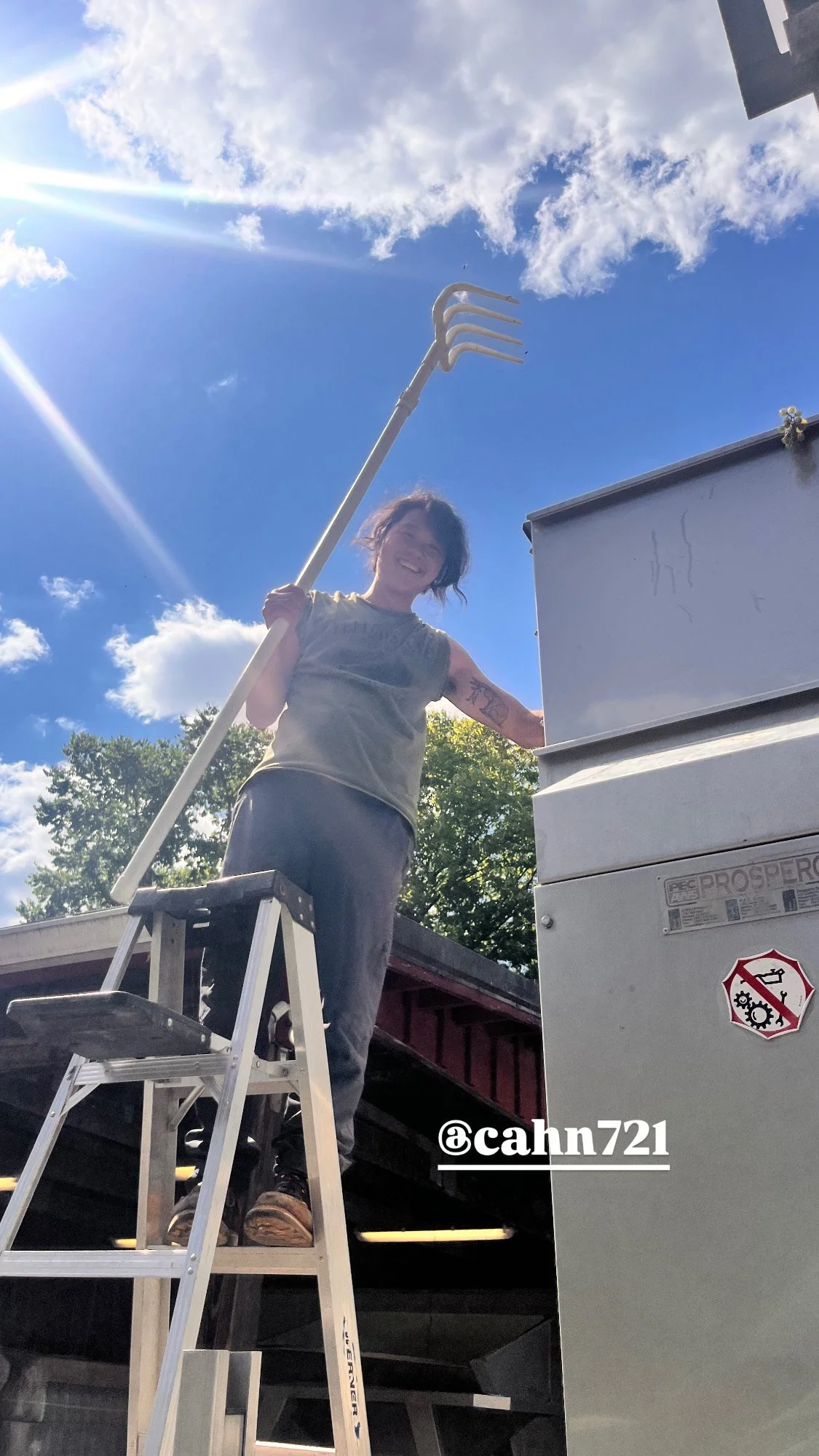
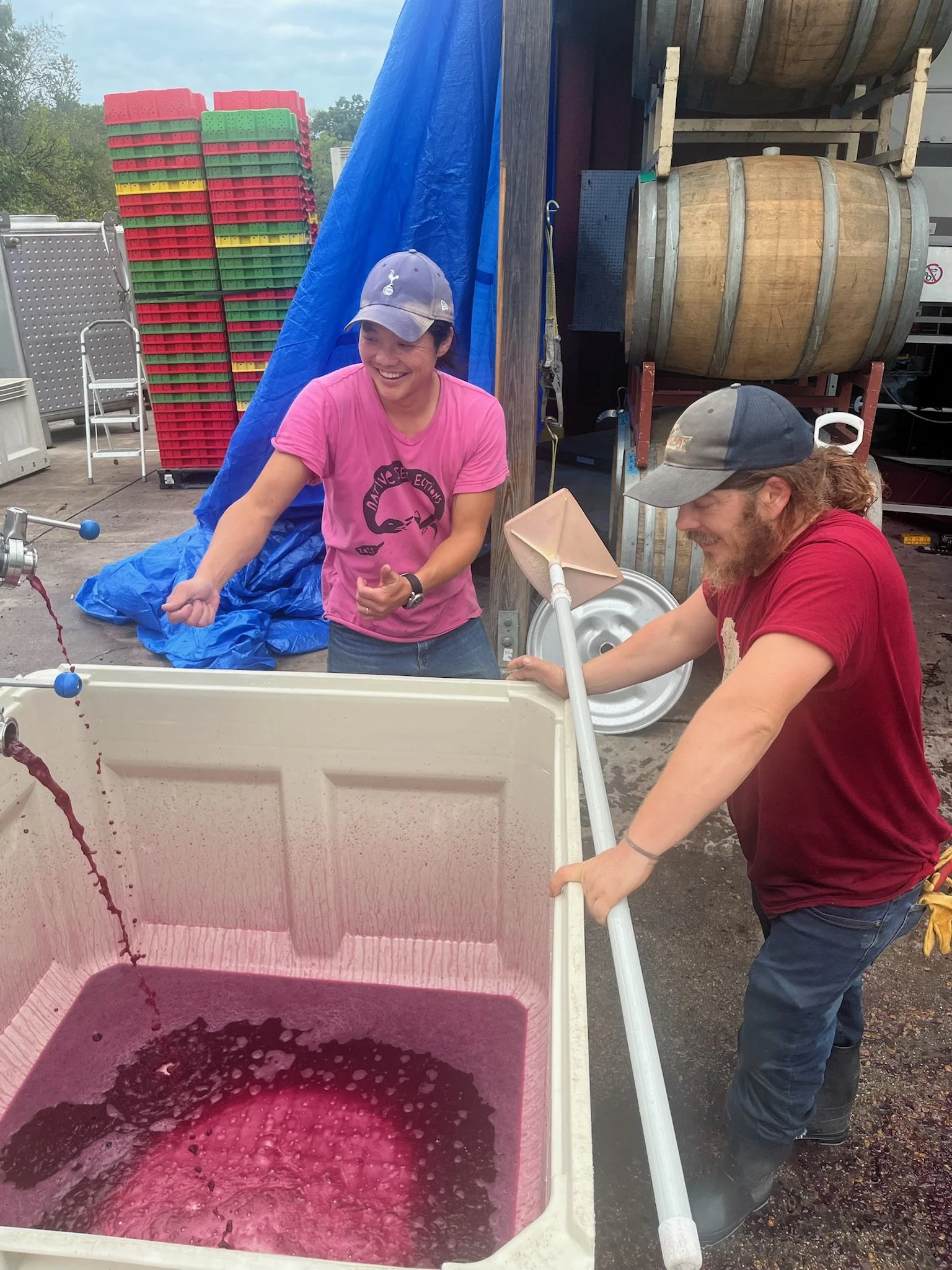
We Bring joy to the process. It's hard work, but it's also a lot of fun. We like to goof around the cellar, shake our booties and make up dances to music, or bring out tons of friends and volunteers to help pick grapes. A lot of times we feel like kids in a candy store; we're so lucky to be able to grow, create, and make wines that can be involved in special times in your life. We hope you can feel that joy in the wine.
Ultimately, we believe this light-handed, joyful approach to our production makes for more lively and interesting wines allowing them to be more transparent of time and place and celebrating the variations that come with each vintage.